Protecting Freshwater Starts With Understanding Watersheds
MN Water Shed covers watershed science, freshwater conservation, and what it all means for the water coming out of your tap. Practical information for homeowners, hikers, and anyone who cares about local water quality.
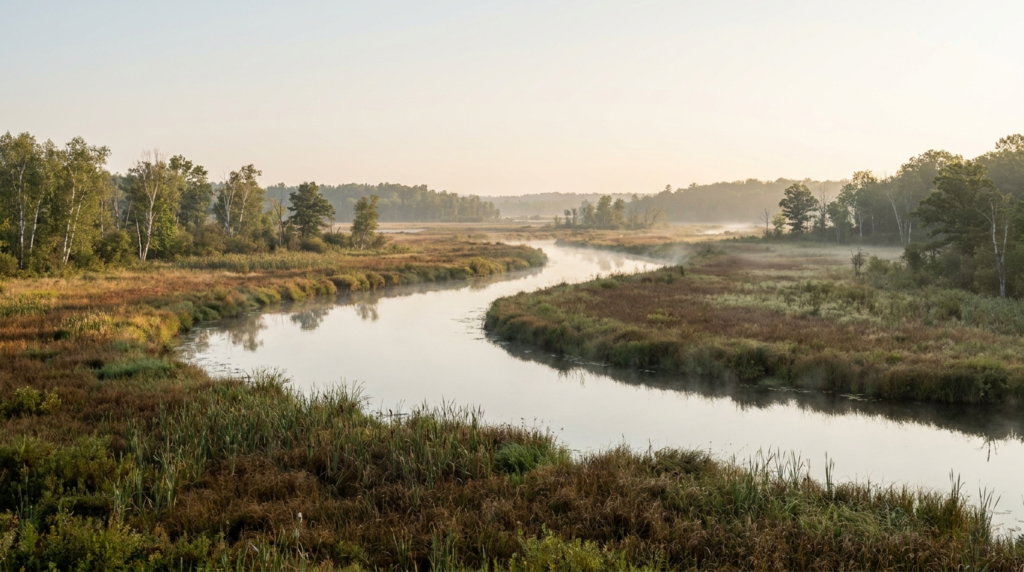
Why Watersheds Matter for Your Water
Every rain that falls on your neighborhood drains somewhere. Where it goes, what it picks up along the way, and how it gets treated before reaching your tap is what watershed health is actually about. We cover all of it in plain language.
What We Cover
Four topic areas covering how watersheds work, what threatens water quality, and what you can do about it.
Watershed Basics
How land, rainfall, wetlands, streams, and lakes connect inside a drainage area.
Water Quality
Plain-English coverage of runoff, sediment, nutrients, bacteria, PFAS, and drinking water concerns.
Wetlands & Habitat
Why wetlands, riparian buffers, and native vegetation matter for clean water and flood control.
Conservation Planning
Practical ways communities, homeowners, and landowners can reduce runoff and protect freshwater.
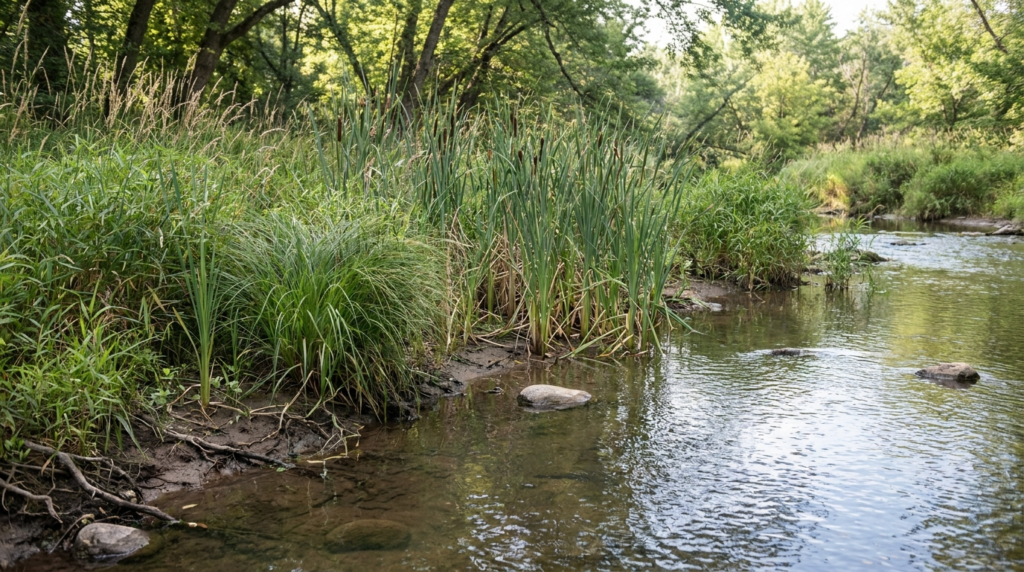
Water News
Recent articles on watershed health, water quality threats, and practical steps for homeowners and outdoor enthusiasts.
-
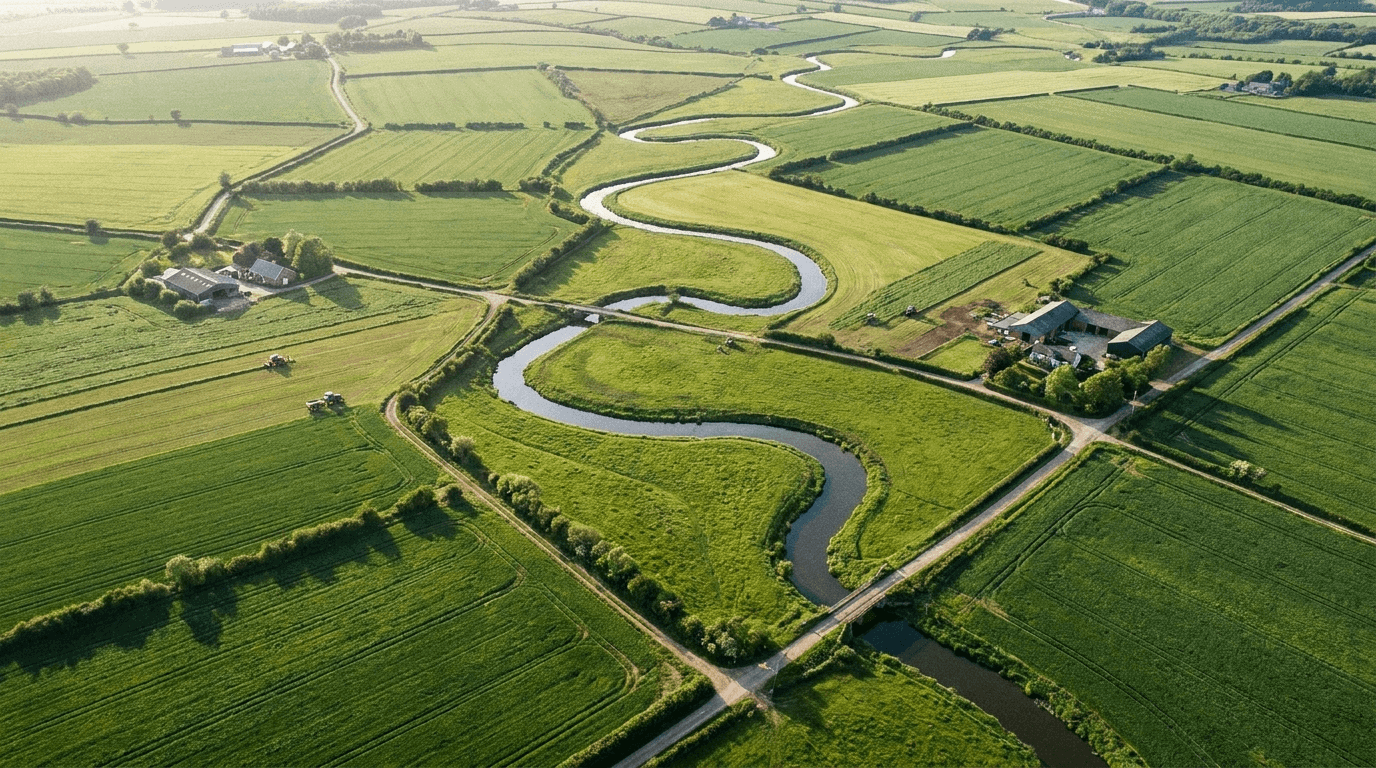
What Your Tap Water Has to Do With Your Local Watershed
Most people think about their water supply as something that starts at a treatment plant…
-
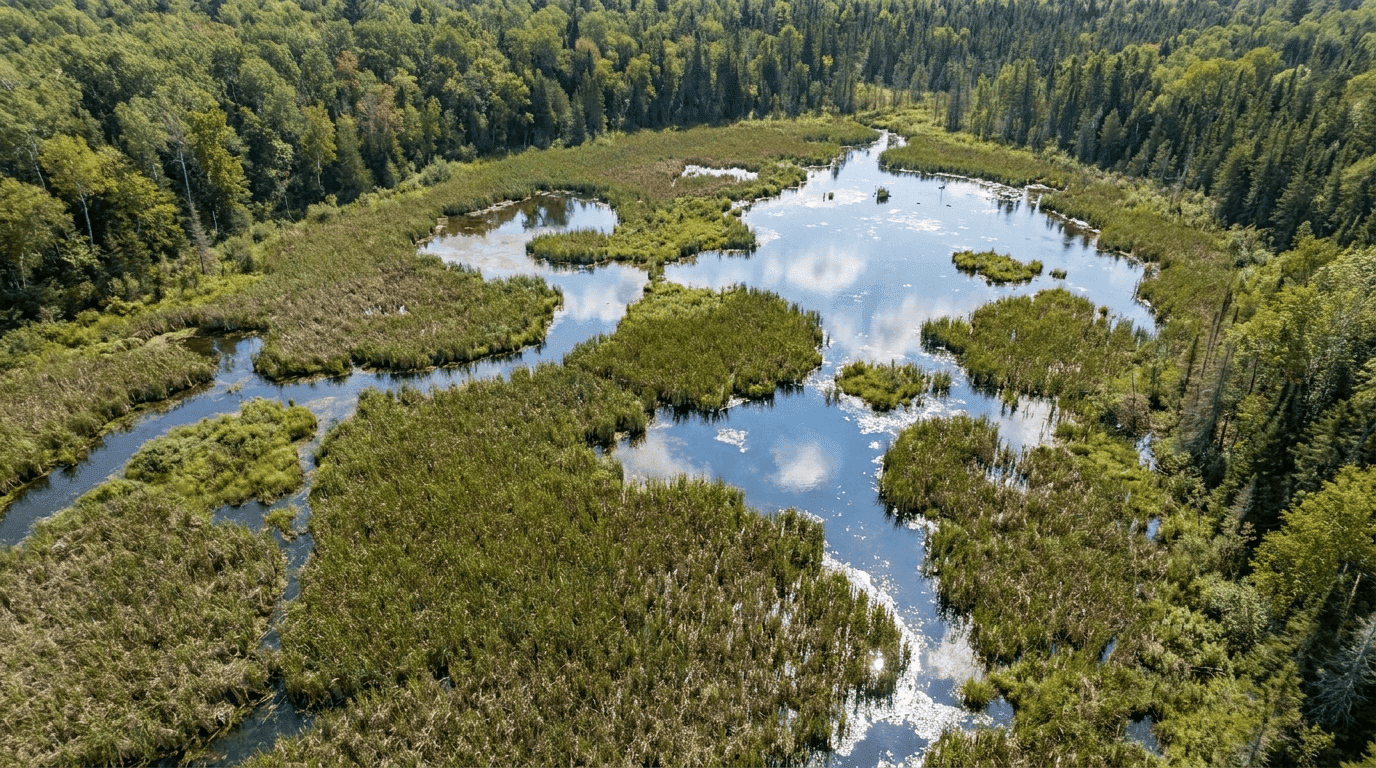
Why Wetlands Matter More Than Most People Realize
Wetlands do not look impressive. A marshy stretch of land along a river. A low-lying…
-
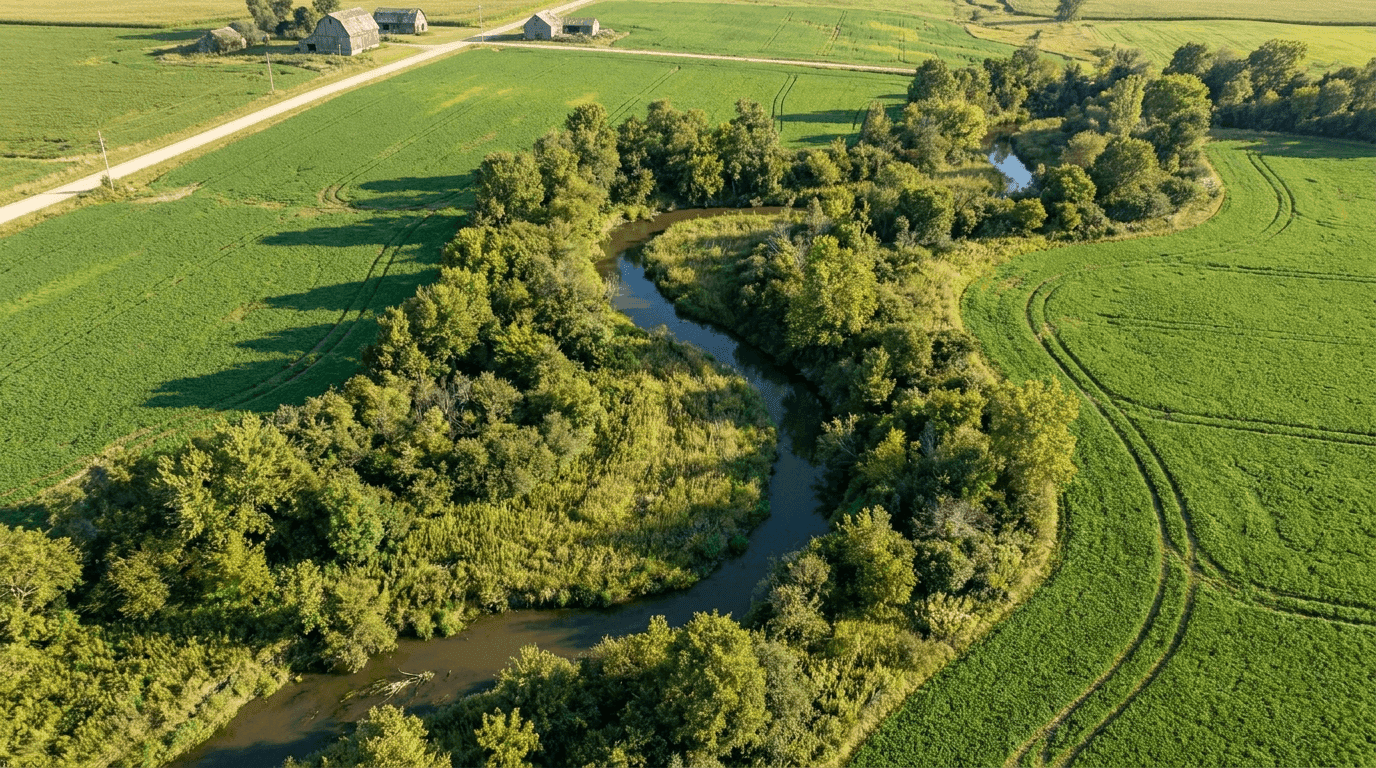
How Land Use Decisions Shape Water Quality Downstream
Practical, actionable, connects everyday land use choices by farmers, homeowners, and local governments to downstream…

Where to Start
Three areas worth understanding if you want to know more about your local water quality.

Understanding Watershed Functions
How land, rainfall, and drainage systems connect to determine what ends up in local waterways.

Addressing Water Quality Threats
Runoff, nutrients, bacteria, PFAS, and other contaminants — where they come from and how they affect drinking water.

Practical Advice for Outdoor Enthusiasts
Practical steps for reducing runoff, protecting stream banks, and making better decisions around local waterways.
Residential Water Quality Resources
Understanding watershed health is only part of the picture. What enters the watershed eventually reaches residential water supplies. These resources help homeowners evaluate and address water quality at the tap.
- Quality Water Lab – Independent testing data on how home water filtration systems perform against common contaminants including PFAS, chlorine byproducts, lead, and heavy metals.
- EPA Drinking Water Resources – The U.S. Environmental Protection Agency’s drinking water portal covering regulations, contaminant standards, and local water quality information.
- USGS Water Resources – The U.S. Geological Survey’s water resources program covering groundwater, surface water, and water quality monitoring across the United States.
Learn More
Start with the basics or go straight to the water quality topics that matter most to you.
Watershed Basics
Start here if you want to understand how water moves through the landscape before it reaches a stream, lake, or reservoir.
Water Quality Challenges
What agricultural runoff, urban development, and land use decisions mean for the water quality in your community.
Protecting Our Waters
Small actions by homeowners and landowners add up across an entire watershed. Here is where to start.